
Tar-and-Chip Driveway: Quote and Budget Planner
A low driveway quote can become expensive when it covers only the new surface. Soft areas, standing water, broken edges, or an unstable base may still need separate work. Before choosing a tar and chip driveway, you need to know what the contractor will repair and what the finished surface can realistically do.
This guide helps you compare a chip seal driveway with gravel and asphalt using the same project scope. You will learn what the treatment involves, which site questions matter, and how to build an itemized budget from local written quotes. The goal is a driveway decision based on its condition and your needs, rather than a price per square foot alone.
Start with the surface and preparation checks, then use the measurement and quote worksheets. Worked examples show how included repairs can change the comparison between bids. Every dollar amount in those examples is hypothetical; none is a current market price or a contractor recommendation.
Chip seal quote planner
Build a known quoted subtotal, compare matching bids, and plan entered maintenance costs.
Measure. Check. Plan.
Measure your project
Record dimensions and separate layers before estimating.
Use the right basis
Check product specifications, units and supplier quote inclusions.
Keep your project record
Save your inputs and estimate with the print control.
On this page
What is a tar and chip driveway?
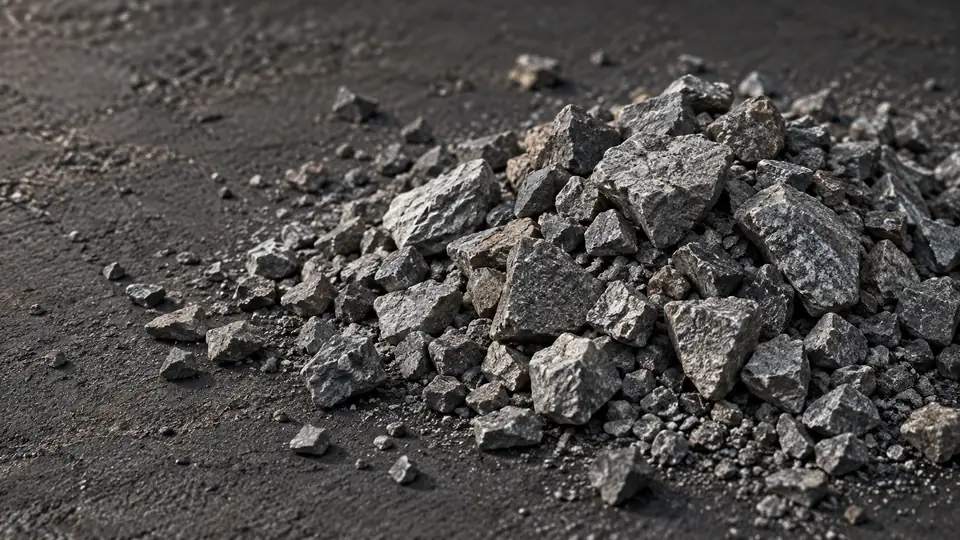
Tar and chip is a common residential name for a chip seal surface. The basic treatment applies an asphalt binder, covers it with aggregate chips, and rolls the aggregate into the binder. FHWA describes chip seal as a surface treatment that can also serve as a wearing course on low-volume roads.
The visible finish is stone rather than the continuous appearance of a conventional asphalt surface. Ask to see the proposed aggregate and a completed project using the same treatment. A photograph of a different stone or application may give you the wrong expectation about color and texture.
The name does not specify the binder
Do not order a material simply called “tar.” Ask the contractor to identify the actual binder and treatment specification in the proposal. A familiar project name is useful for discussing the finish, but it does not replace a material description.
Chip seal is a surface treatment, not a base repair
TxDOT explains that seal coats add little or no structural strength and do not meaningfully correct an uneven ride. Its guidance distinguishes treatments on an aggregate base from seal coats on existing bituminous pavement. These are road-engineering principles, not a residential driveway design or an approval for your particular site.
The practical question is what lies beneath the finish. Ask the contractor to inspect recurring failures and specify their repair separately. A new-looking surface should not be mistaken for confirmation that the underlying driveway is sound.
Chip seal, asphalt, and driveway sealcoating are different scopes
The word “sealcoat” can be confusing. TxDOT uses it for a binder-and-aggregate treatment on existing pavement, while a residential contractor may use the word for another product or service. Ask what will actually be applied instead of comparing proposals by their names alone.
| Proposed work | What to ask for in writing | Why it changes the comparison |
|---|---|---|
| Chip seal driveway | Binder-and-chip treatment, number of applications, preparation, rolling, and cleanup | A surface treatment needs its own defined scope |
| Hot-mix asphalt work | New paving, overlay, or reconstruction; specified layers and preparation | An overlay and a rebuilt driveway are different projects |
| Driveway sealcoating | Exact product, application method, and included repair work | The label alone does not establish that it includes aggregate chips |
| Gravel driveway work | Grading, material, quantity, compaction, drainage, and access | Loose aggregate work needs a separate material and maintenance plan |
Use this table to clarify a proposal, not to decide suitability from a product name. Two contractors can use similar wording while offering substantially different preparation.
Is your driveway a candidate for chip seal?
Treat the following observations as questions for an inspection. They do not prove the cause of a defect or authorize covering it.
| What you observe | Question for the contractor | What the quote should resolve |
|---|---|---|
| Existing pavement that appears generally stable | Is the surface a suitable candidate, and what localized preparation is needed? | Defined repairs and surface preparation |
| Repeated potholes or soft areas | What is causing the recurring failure? | Repair limits and a separate repair method |
| Ruts or an uneven driving surface | How will the profile be corrected before treatment? | Leveling or reconstruction scope, if needed |
| Water standing after rain | Where should runoff go, and what drainage work is required? | Grading, drainage, and responsibility for any approvals |
| Gravel that shifts under vehicles | What base preparation is required for the proposed treatment? | Materials, compaction, finished profile, and acceptance criteria |
| Existing concrete or an unfamiliar coating | Is the proposed system compatible with this substrate? | Written confirmation and preparation requirements |
| Tight turns or frequent heavy deliveries | How do these movements affect the proposed treatment? | A site-specific recommendation and use limitations |
FHWA's chip seal checklist calls for evaluating the existing condition and selecting an appropriate candidate. Structural distress requires attention beyond a surface treatment. Ask what inspection supports the recommendation and which conditions would change it.
Existing pavement and a new base need different budgets
Published price examples: compare the same product and unit
| Location / source | Listed product | USD / sale unit | Extra charges and limits |
|---|---|---|---|
| Dover, ID · Peak Effective February 1, 2026 | 3/4 inch base Type B | $14.50 / ton | Tax excluded; $60 minimum load fee; confirm application |
This is a gravel-base material example only, not a chip-seal binder, chip aggregate or installation rate. Chip sealing needs a project-specific quote stating preparation, existing base condition, binder, aggregate, passes, traffic control and access. Enter those quoted costs above; do not substitute an asphalt or gravel price for chip-seal installation.
A treatment over suitable existing pavement may require localized preparation. A new driveway also needs a defined supporting structure and finished levels. Keep those alternatives separate in your request for bids.
Do not assume a universal base depth, stone size, or driveway slope from an online example. Request the contractor's project specification and quantities. If the design needs specialist assessment, resolve that before treating a calculator result as an installation plan.
Access and edges deserve their own discussion
Measure narrow entrances, gates, and areas where machinery must turn. Ask who protects adjacent surfaces and how the driveway joins the garage, road, drains, and paths. Document which areas will be treated and which will be excluded.
Also describe the vehicles that use the driveway. A passenger-car entrance and an area used for repeated truck turning should not receive an identical recommendation merely because their areas match. If the proposal includes a new aggregate base, review the 57 stone and gravel types guide when checking the contractor’s specified material.
Single and double chip seal: what the quote should explain
A single chip seal uses one binder-and-aggregate application. A double chip seal repeats the treatment in two layers; FHWA's training material describes successive applications after the preceding layer has cured. The number of applications should be stated explicitly.
A double treatment is not automatically twice the price, twice the binder quantity, or twice the service life. Ask why that system was selected for your surface and use. Compare single and double options only when each has a complete written scope.
| Detail | What to confirm |
|---|---|
| Treatment type | Single, double, or another specifically described system |
| Binder | Product identification and applicable specification |
| Aggregate | Proposed material, grading, and appearance sample |
| Existing condition | Inspection findings and preparation assumptions |
| Completion | Rolling, removal of excess chips, and final inspection |
| Aftercare | Access instructions, follow-up cleanup, and defect reporting |
If a proposal uses a name you do not recognize, request a description of every layer. Do not treat a premium-sounding label as evidence of a better result.
How a chip seal driveway is installed
The following is a planning overview, not a DIY application specification. Binder handling, equipment operation, and treatment design belong in the contractor's work plan.
1. Inspect and define preparation
Agree on the treatment boundary and identify work that must happen first. FHWA's checklist includes repairing distress and preparing a clean, dry surface. Record any separate drainage work in the proposal.
2. Apply the specified binder
The crew applies the selected binder using the project requirements. Ask how the application will be controlled and documented. Area alone is not a sufficient basis for choosing the binder application rate.
3. Spread and roll the chips
Aggregate follows the binder, and rolling embeds the chips. FHWA identifies compatible materials, calibrated equipment, and appropriate rolling as construction checks. A homeowner's budget worksheet should not attempt to replace those checks with default material settings.
4. Remove excess material and manage access
The contractor needs a plan for loose chips, cleanup, and when vehicles may return. TxDOT's traffic-opening guidance considers binder type, weather, traffic volume, and vehicle use. That supports asking for project-specific instructions rather than relying on one universal waiting time.
5. Complete the agreed inspection
Walk the treated boundaries with the contractor when the work is ready for inspection. Compare the completed scope with the proposal and record any follow-up work. Keep the access and maintenance instructions with the invoice.
Weather, scheduling, and vehicle access
Ask how the contractor will decide whether conditions are suitable on installation day. FHWA's checklist considers temperature, humidity, wind, and precipitation. A calendar date alone does not establish suitable application conditions.
Request a rescheduling process before work starts. Clarify what happens if preparation is complete but the treatment must be delayed. Make arrangements for deliveries, parking, and anyone who depends on the entrance.
Questions to settle before the crew arrives
- When can cars, delivery vehicles, and heavier vehicles use the driveway?
- Are turning, braking, or parking instructions different during the initial period?
- Who removes loose chips, and is a return visit included?
- What happens if weather changes before or during application?
- Which contact handles urgent access questions or a reported defect?
What does a tar and chip driveway cost?
The useful price is a local quote for your measured area and agreed scope. A national price table cannot show whether your driveway needs removal, base work, drainage, or repairs. This guide therefore uses a worksheet rather than presenting a generic rate as your expected price.
Known-scope budget = treated area × quoted surface rate + separately quoted additional work
Use this formula only if the contractor charges the surface treatment by area. If the quote is a fixed project price, enter that price instead of multiplying an unrelated rate. Confirm how any minimum charge applies and what it already includes.
Itemize costs before comparing totals
| Budget item | What to record | Check before adding it |
|---|---|---|
| Surface treatment | Area, rate, treatment description, or fixed quote | Match the stated number of applications |
| Repairs | Defined locations and price | Check whether the surface quote includes them |
| New base or reconstruction | Written scope and price | Keep it separate from surface-only work |
| Grading and drainage | Included work and exclusions | Confirm finished levels and runoff provisions |
| Removal and disposal | Material, work limits, and price | Avoid assuming removal is included |
| Mobilization or minimum charge | Amount and how it applies | Do not count an included charge twice |
| Cleanup | Initial cleanup and any return visit | Confirm whether it is included |
| Tax, permits, or other charges | Applicable quoted amounts | Mark unresolved items as unknown |
An unresolved item is not a zero-dollar item. Label the result “known quoted subtotal” until the missing scope and charges are settled. That wording is more useful than an apparently precise total with hidden exclusions.
Why binder gallons are not a default output
TxDOT describes application-rate design using project conditions and the selected materials. Its planning guidance also calls for defining the areas and repairs in the work. These are reasons to request a specified treatment rather than calculate binder gallons from driveway area alone.
The budgeting tool on this page uses user-entered quote prices. It will not convert chip seal area into asphalt tonnage or prescribe a binder rate.
Measure the treated area without counting it twice
For a rectangular driveway, multiply length by width. Divide a changing-width driveway into measured sections and add the areas. Subtract excluded areas only if they fall inside a section you already counted.
Rectangular area in square feet = length in feet × width in feet
| Section | Illustrative dimensions | Area |
|---|---|---|
| Main driveway | 50 feet × 12 feet | 600 square feet |
| Separate parking pad | 18 feet × 10 feet | 180 square feet |
| Total before any exclusions | Non-overlapping sections | 780 square feet |
These dimensions illustrate arithmetic only. Do not add a parking pad separately if it is already inside the measured driveway rectangle. Ask the contractor to confirm the final treatment boundary before you compare bids.
Keep the quote unit consistent
One square yard equals nine square feet. Divide square feet by nine when the quote uses dollars per square yard. Multiply area only by a price expressed in the matching area unit.
For a metric quote, use square meters with dollars per square meter. Do not mix a rate per square foot with an area in square meters. Keep conversions visible in your worksheet.
Worked example: treatment over existing pavement
This arithmetic-only scenario uses invented prices for a 600-square-foot area. Assume a written quote lists $2.80 per square foot for the specified surface treatment, $450 for defined repairs, and $300 for mobilization. Assume those additional items are not already included in the surface rate.
| Component | Calculation | Hypothetical amount |
|---|---|---|
| Surface | 600 × $2.80 | $1,680 |
| Defined repairs | Separate quoted item | $450 |
| Mobilization | Separate quoted item | $300 |
| Known quoted subtotal | $1,680 + $450 + $300 | $2,430 |
This does not establish that existing pavement is suitable. It also does not include unresolved taxes, drainage, permits, or other exclusions. The example shows how to itemize a quote, not what your project should cost.
Worked example: surface treatment on a prepared new base
Now assume the same measured area needs separately specified preparation. The invented prices are $3.60 per square foot for treatment, $900 for grading, $1,500 for base work, $600 for drainage, and $300 for mobilization. None of these values specifies the design or quantity of the base.
| Component | Calculation | Hypothetical amount |
|---|---|---|
| Surface | 600 × $3.60 | $2,160 |
| Grading | Separate quoted scope | $900 |
| Base work | Separate quoted scope | $1,500 |
| Drainage | Separate quoted scope | $600 |
| Mobilization | Separate quoted item | $300 |
| Known quoted subtotal | Sum of listed items | $5,460 |
The two examples describe different scopes. Their totals should not be used to claim that one contractor is expensive or that every new driveway costs more by a fixed percentage. First determine which work your site actually needs.
Worked example: the lower surface rate is not the lower subtotal
Suppose two hypothetical bids cover the same 600-square-foot treatment, identical repair limits, and the same exclusions. Bid A charges $2.75 per square foot, $700 for repairs, and $300 for mobilization. Bid B charges $3.25 per square foot, includes those repairs, and charges $300 for mobilization.
| Comparable component | Bid A | Bid B |
|---|---|---|
| Surface treatment | $1,650 | $1,950 |
| Same defined repairs | $700 extra | Included |
| Mobilization | $300 | $300 |
| Known quoted subtotal | $2,650 | $2,250 |
Bid B's subtotal is $400 lower in this scenario despite its higher surface rate. That arithmetic does not prove better workmanship. If the repair limits, materials, treatment, or exclusions differ, resolve those differences before calling the bids comparable.
Build a budget range from matching quote assumptions
A range can help when you have low and high prices for the same defined work. Keep the area, preparation, and exclusions consistent. Do not combine a surface-only low quote with a reconstruction high quote and present the result as a single-project estimate.
Using hypothetical treatment rates of $2.80–$3.60 per square foot, a 600-square-foot area, and the same $750 in separate charges gives $2,430–$2,910. This is a scope-based arithmetic range, not a confidence interval or a current regional price range. Unknown charges remain outside it.
If preparation is still uncertain, list separate scenarios. An “existing surface accepted” scenario and a “base work required” scenario communicate the uncertainty better than one unexplained allowance.
Tar and chip driveway vs asphalt vs gravel
Begin with your priorities: appearance, driving feel, maintenance, vehicle use, and the work the site needs. Then ask each contractor to describe a system that meets those requirements. Use equivalent treatment boundaries and preparation assumptions for the budget comparison.
| Decision factor | Chip seal proposal | Asphalt proposal | Gravel proposal |
|---|---|---|---|
| Finished appearance | Review the actual chip sample and matching work | Review the proposed paving finish | Review the specified aggregate and finished profile |
| Existing problems | Identify repairs before treatment | Identify repairs or reconstruction before paving | Identify base, grading, and drainage work |
| Vehicle use | Ask about turns, braking, and heavier vehicles | Ask how the pavement design accommodates your use | Ask how the aggregate system accommodates your use |
| Maintenance plan | Ask about loose chips, defects, and future renewal | Ask about repairs and any proposed surface maintenance | Ask about reshaping, replenishment, and drainage upkeep |
| Quote boundary | Treatment plus explicit preparation | Paving layers plus explicit preparation | Material and placement plus explicit preparation |
| Evidence to request | Similar completed projects and written specification | Similar completed projects and written specification | Similar completed projects and written specification |
FHWA's unpaved-road guidance emphasizes preparation, road shape, and drainage for treated gravel roads. Those principles support evaluating the underlying road, not choosing solely by the visible material. Its road-specific dimensions should not be copied into a residential driveway design.
Is chip seal always cheaper than asphalt?
No universal percentage answers a project-specific comparison. A chip seal treatment on a suitable surface and an asphalt reconstruction include different work. Compare local proposals for the same problem and record exactly what each alternative delivers.
Is it the best choice for a gravel driveway?
The existing material needs assessment before selecting a treatment. Ask what preparation is necessary and what the contractor expects the completed system to achieve. A calculator can organize the quote but cannot assess stability or drainage from dimensions alone.
Maintenance and service life: compare the plan, not a promise
Ask the contractor what maintenance is expected under your conditions and what the warranty covers. Keep appearance changes, routine maintenance, and installation defects separate. A stated service-life number needs a clear meaning: time to maintenance, renewal, or reconstruction are different things.
| Planning item | Record for each proposed surface |
|---|---|
| Initial aftercare | Written access and cleanup instructions |
| Routine inspection | What to watch for and when to contact the contractor |
| Maintenance work | Tasks, responsibility, and quoted or estimated costs |
| Renewal | Proposed treatment and the conditions that would trigger it |
| Warranty | Duration, covered defects, exclusions, and claim process |
| Local evidence | Comparable completed projects with known installation dates |
Avoid a universal renewal schedule in the budget. FHWA notes that network-level treatment-life estimates need more accurate project-level assessment. Road-treatment averages are not a warranty or a reliable forecast for an individual driveway.
A transparent maintenance arithmetic example
If you enter a hypothetical initial subtotal of $5,460, a planning allowance of $120 per year for ten years, and one hypothetical $1,800 renewal event within that period, the undiscounted planning total is $8,460. Those inputs are invented solely to demonstrate addition. They do not recommend a maintenance frequency, renewal year, or current price.
Use the same planning period for every alternative. Keep uncertain future work visible instead of using one fixed lifespan to make a material appear cheaper. This simple worksheet does not adjust future costs for inflation or financing.
Loose chips, snow clearing, and daily use
Agree on cleanup responsibilities before installation. FHWA includes removal of excess aggregate in its chip seal construction checks. Ask whether the price includes follow-up sweeping and how concerns about remaining loose material should be reported.
If you use a snow-clearing service, give it the contractor's instructions for the finished surface. Request equipment guidance for your installation rather than adopting a universal blade clearance from an online article. Include turning and delivery areas in the aftercare discussion.
Do not diagnose a defect from a photograph or cover a recurring failure without assessment. Record the location, when it appeared, and the conditions you observed, then contact the installer. Keep dated photos and the original scope for that conversation.
Contractor quote worksheet
Send the same worksheet to each contractor. Leave unresolved fields marked “not confirmed,” and ask for an itemized response.
| Field | Information to request |
|---|---|
| Treatment area | Measured area, units, boundaries, and exclusions |
| Site assessment | Existing surface, defects, and suitability findings |
| Preparation | Repairs, grading, drainage, base work, and acceptance requirements |
| Treatment | Binder, aggregate, specification, and application count |
| Price basis | Area rate or fixed price, minimum charge, and validity period |
| Additional costs | Mobilization, disposal, taxes, permits, and other exclusions |
| Completion | Rolling, cleanup, inspection, and any return visit |
| Scheduling | Weather decision, rescheduling, and access arrangements |
| Aftercare | Written instructions and maintenance recommendations |
| Contract terms | Payment terms, warranty, and change-order process |
Confirm any local licensing, insurance, and permit requirements through the relevant authorities. Requirements depend on location and work scope. The contractor's proposal should state who is responsible for any required approvals.
Check the contractor before comparing the price
Ask for the business name used on the written quote, the work it will perform and the area it serves. A quote website or directory listing is a starting point; check credentials with the relevant authority and confirm the job directly.
- Identity and credentials: match the quote business to the license or registration record where required. California provides a CSLB license lookup; Washington provides an L&I contractor verification tool. These examples apply to their respective states.
- Service area: confirm your project address is covered and ask about travel, minimum-job and mobilization charges. A city in a listing does not establish a delivery radius.
- Work specification: record material, finished thickness, base preparation, drainage, removal, disposal and who obtains any required approvals.
- Accountability: request insurance information, relevant project references, written payment stages, change-order terms, workmanship terms and a named contact for defects.
- Quote scope: distinguish material supply, delivery, spreading, compaction and a complete installed job. Keep a dated copy and confirm its validity before accepting.
For a bulk order, compare seller terms in the gravel delivery guide. For a recurring failure, use the gravel driveway repair guide to describe the problem before requesting a repair quote.
Compare chip-seal offers by the actual treatment
Request the treatment specification, number of passes, binder and aggregate scope, surface preparation, loose-chip management, access restrictions and mobilization. Specify whether the job is treatment of an existing surface or new construction with a separate base. A county road contract does not establish a residential driveway price.
Convert area consistently: 1 yd² = 9 ft², so an entered $9/yd² equals $1/ft² for the same scope. Use actual written quotes in the comparison above. Ask a local specialist to confirm availability and method before planning a booking.
Related planning tools
Use the site's Gravel Driveway Calculator for separately specified aggregate quantities and the Asphalt Calculator for separately specified asphalt work. Keep their material calculations outside the chip seal surface budget.
Scope notes
Government guidance linked in the article explains road-treatment principles; it does not establish residential design requirements, local prices, or warranties. Calculations and worksheets are original planning aids.
Frequently asked questions
Are tar and chip driveway and chip seal driveway the same topic?
They commonly describe the same binder-and-chip surface approach. Both terms belong in one guide because the main decision is the same: whether the specified system suits the site and what complete work is included. Confirm the actual materials and application with the contractor.
Does chip seal repair a failing driveway base?
A surface treatment should not be assumed to repair the structure beneath it. Ask for an assessment of the failure and a separately described repair. The base condition must be resolved before a surface-only price becomes a meaningful option.
Can it be installed over my existing driveway?
That requires an inspection and confirmation of the proposed system's compatibility. Identify the existing material, previous coatings, defects, and drainage concerns. Neither dimensions nor an online cost result establishes suitability.
Does the quoted rate include preparation?
Only the written scope can answer that. Check repairs, grading, drainage, base work, removal, and cleanup individually. A blank field should remain unknown until the contractor confirms it.
How long before I can drive on it?
Follow the installer's written instructions for the specific binder, conditions, and vehicle use. TxDOT's guidance identifies several factors affecting access timing. Do not replace a site-specific release with a fixed waiting period from a generic guide.
Can I calculate the binder and stone quantities myself?
Area measurement is useful for requesting a quote. Application quantities need the selected system, materials, and project requirements. This page's budget method deliberately uses quoted prices rather than prescribing construction rates.
Will double chip seal last twice as long?
The term identifies two treatment applications, not a guaranteed multiplier for service life. Ask why it is proposed, how it differs from the single option, and what evidence or warranty supports the expected performance. Price each system from its own scope.
Is the lowest total the best bid?
A lower comparable subtotal answers the price question, not every quality question. Review the specification, preparation, completed work, aftercare, contract terms, and warranty. Resolve missing scope before choosing on price.
Understand the estimate and its assumptions
Read the formulas and worked examples on this page alongside the entered values. Geometry estimates space; density converts volume to mass; product yield converts a quantity to packages. An allowance and supplier purchase rounding are separate adjustments.
Use the same material condition and units as the supplier specification. Enter a local quoted price when pricing work. Missing fees remain unresolved, and a material subtotal does not establish an installed project price. Example values illustrate arithmetic and are not local quotes or construction specifications.
Keep the printed input record with your estimate so a supplier or contractor can check the values that produced it.